
Being clubbable has always been an art, and never a science. Like all arts, there are rules, norms that govern it, and if you follow them too stringently all you get is ossification.
There is, however, a lot more to the art of the club than being clubbable. For once, clubs have long played host to art collections of note.
The Union League Club of Chicago, not to be left far behind, boasts “the second largest private art collection in the Midwest—second only to the Art Institute” of Chicago.
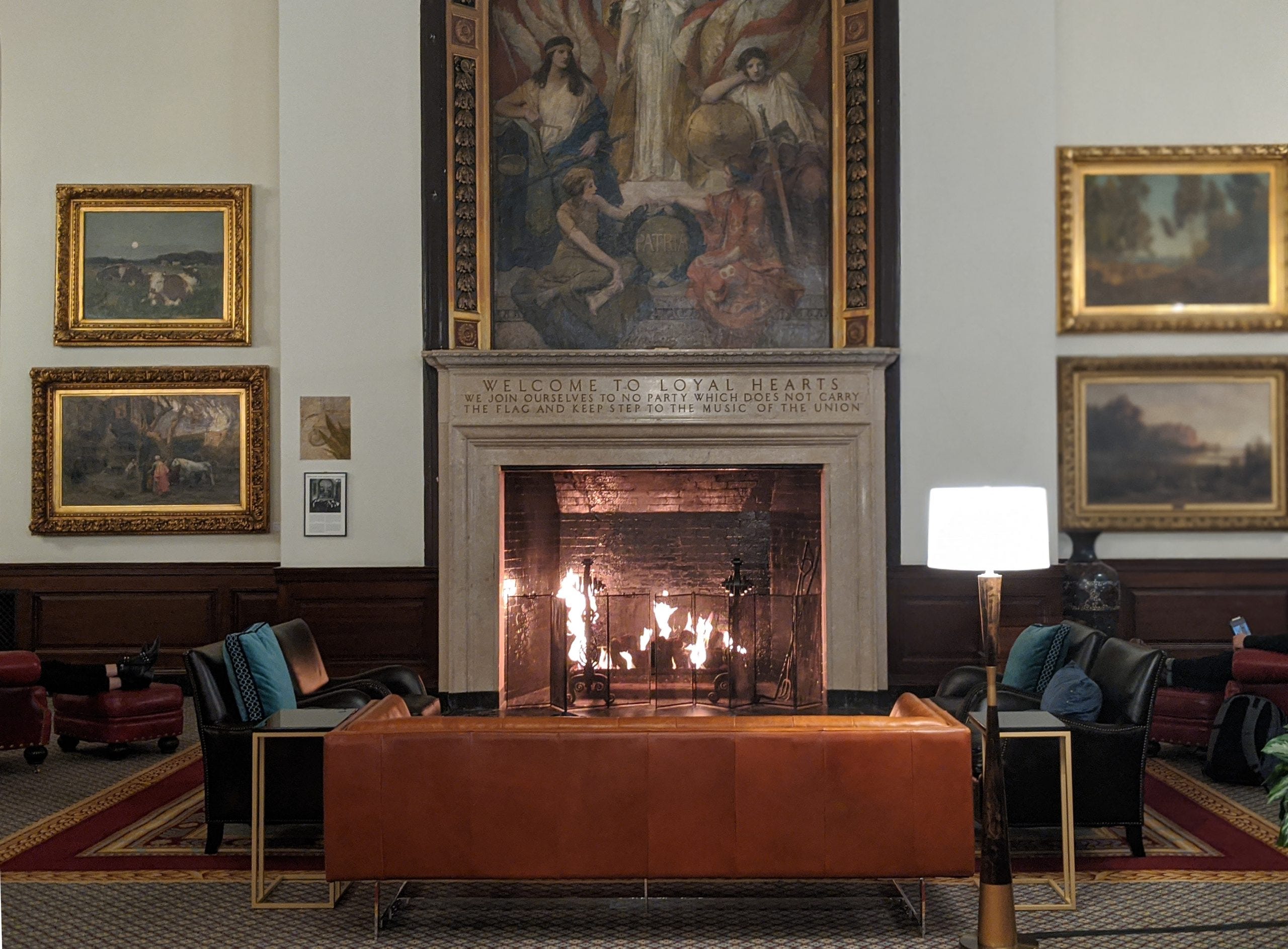
The University Club of Chicago, too, has an art collection that rivals that of most top-tier Chicago museums, all for the pleasure of its members.
I guess if you belong to Chicago Clubland, visiting a museum is quite easy, even repetitive. But, then, what about the new clubs?
SoHo House’s Art Collateral
We’ve long used SoHo house as a metonym for the new, privately owned clubs that pop up like potholes in clubland, but the art lover in me was somewhat envious of the marvellous collection that they had built up over the years.
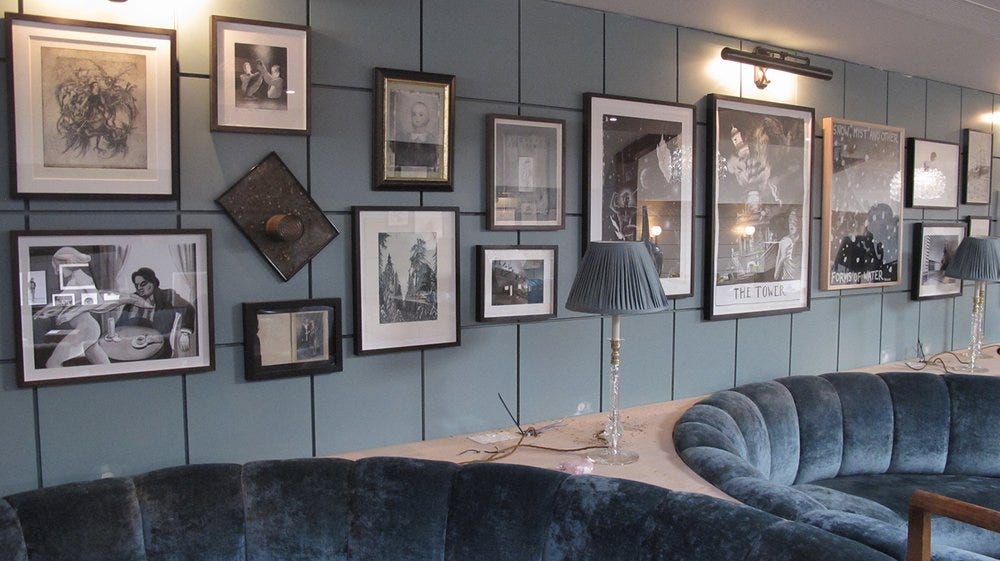
ARTnet’s George Nelson reported recently that their over 10,000-piece art collection was worth anywhere between $42–355 million and has never seen a single disacquisition—almost close to the value of the entire debt of the once-embattled firm.
More interesting, however, is the method through which they acquired art. Harkening back to the days when SoHo House was the pinnacle of artsy achievement and recognition in London and later New York City, propelling it to fame, it often acquired pieces from artists by providing credits against membership dues and house charges.
SoHo House’s art director, Kate Bryan, revealed that artists oftentimes use the “barter process” to provide liquidity for their club bills:
“Some artists join the collection early in their careers and later become museum-level names. My job can feel surreal—sometimes I’ll get a text from an important artist saying, “I’m about to have a show at the Guggenheim; do you want to visit my studio?” Really, they’re saying, “I’d love some more credit to stay with you.” Soho House has become a key part of their infrastructure.”
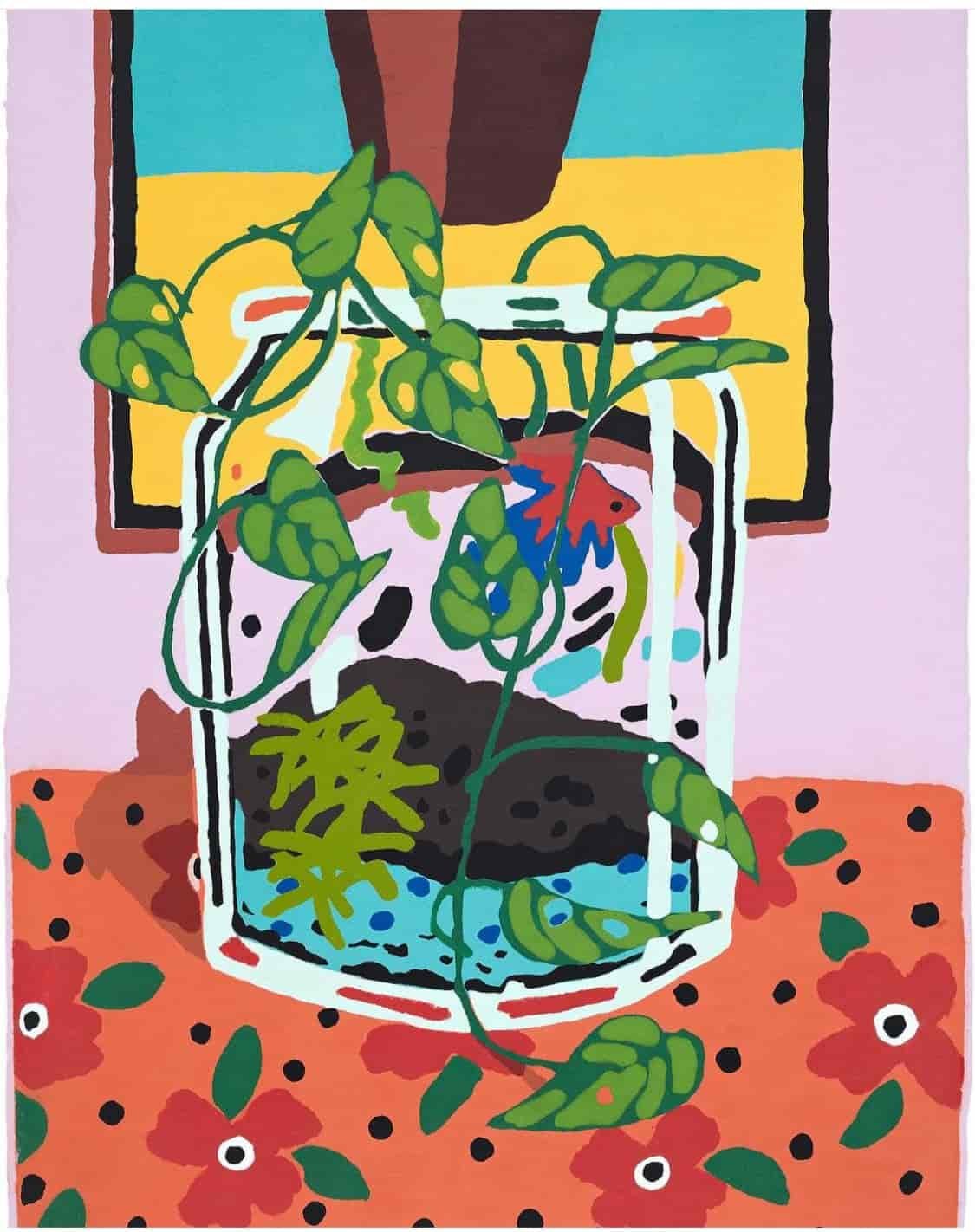
You might wonder whether or not this has contributed to SoHo House’s financial troubles, but I suspect that this might not be the case. Bryan acquired a work by the artist Hilary Pecis for $6,000, only to find herself the recipient of a news article some time thence that established a new record for Pecis’ work: $350,000.
SoHo House could have also dug itself out of financial trouble with its art collection, and ARTnet reports that it is regularly valued by the auction house Bonham’s for insurance. Art, however, is the opposite of gold: fundamentally illiquid. I wouldn’t want to test the liquidity of those reserves—ever.
I, for one, hope that some of our favourite clubs can learn something from SoHo House’s acceptance of and fostering of relationships with great artists, not only ones who paint with dark, lustered backgrounds, featuring the common theme of club presidents.
Action in the Motor City: The Birmingham Athletic Club in Detroit, MI, hosted the 2026 edition of the Motor City Open, marking the first big American squash tournament of the year. The Peruvian whiz and first seed Diego Elias lost in the final to now-British Marwan ElShorbagy in three games, putting an end to the Peruvian’s steamrolling results.
Raise a Glass, New York: The 2026 Tournament of Champions, following closely on the heels of the Motor City Open, commences this week. Qualifying games for wild-card entries are to be played at the Yale Club today and tomorrow, and games for the tournament will be played at the Harvard Club of New York and the New York Athletic Club alongside the main glass court in Vanderbilt Hall at Grand Central Station.
Historic (Club)Houses: The Jonathan Club opens the doors to its clubhouse in Downtown Los Angeles to the public for two tours with the Los Angeles Conservancy, on January 25 and January 31. The clubhouse boasts, among other things, “hand-painted ceilings by a Vatican-trained artist, intricate woodwork created by early Hollywood set designers, a library originating from books donated by Henry Huntington”.
Thank you for reading. Our next issue will be available to read on Tuesday, January 27, at 3PM.